

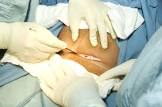
Health officials warn of growing regional disparities, with urban centres recording high surgical deliveries while rural areas remain below safe access thresholds.
The Ministry of Health has expressed concern over the increasing number of Caesarean section (C-section) deliveries in parts of Uganda, particularly in urban areas and private health facilities.
New health sector data shows that while Uganda’s national C-section rate has remained within the World Health Organization recommended range of 5–15 percent over the past five financial years, some regions are recording significantly higher figures.
Kampala leads with a rate of 34 percent, more than double the recommended threshold, raising questions about possible overuse of the procedure.
Other regions with elevated rates include Kigezi, Tooro, South Buganda, North Buganda, and Ankole.
In contrast, regions such as Karamoja, Bukedi, Lango, and Busoga continue to record rates below 10 percent. Health officials warn that this may point to limited access to emergency surgical care, which can be life-saving in complicated deliveries.
Dr. Richard Mugahi, Commissioner for Maternal and Child Health at the Ministry of Health, said the disparities highlight both overuse and under-access across the country.
Health experts attribute the higher C-section rates in urban centres like Kampala to several factors, including better access to private healthcare, maternal preference for scheduled deliveries, and fear of labour pain.
Dr. Emmanuel Byaruhanga, Executive Director of Kawempe National Referral Hospital, noted that while C-sections are critical in certain medical situations, they should only be conducted when necessary.
Meanwhile, Dr. Musana Otheniel, a gynaecologist at Nsambya Hospital, said there are concerns that financial incentives in some private facilities could be contributing to the rise, although he cautioned against generalising across all providers.
Health authorities also warned that very low C-section rates in some regions may signal gaps in maternal healthcare services, potentially putting mothers and babies at risk when complications arise during childbirth.
The Ministry is now urging expectant mothers to attend regular antenatal care visits, saying early monitoring can help detect complications and guide safer delivery options.
Officials emphasize that achieving the right balance in C-section rates is essential to improving maternal and newborn health outcomes across the country.
